case study
SIMPSON & PARTNERS. EV BRAND.
CINEMATIC AI CAMPAIGNS FOR A PREMIUM BRAND.
How Simpson & Partners — designers of architect-grade electric vehicle chargers — used a structured AI production system to create cinematic advertising at a fraction of traditional production cost, without compromising brand integrity.
THE SITUATION
Simpson & Partners design and manufacture architect-grade electric vehicle chargers. Design-led. Premium. British-made. Their product deserved advertising that matched it — not generic EV messaging, not safe sustainability clichés, and not a five-figure production gamble just to test a creative direction.
Traditional commercial production would have required location shoots, professional actors, complex lighting rigs, weeks of pre-production, and the kind of budget that makes finance teams nervous. And all of that before knowing whether the creative concept actually worked.
What Mandy Simson, the founder, needed was a way to test high-end narrative concepts quickly and safely — without compromising the brand integrity she had spent years building.
"
Mark is a creative visionary. He enables AI to work with you and your message. He taught me how to have an open mind and be flexible with its output — right at the cutting edge of this powerful storytelling tool.
Mandy Simson
Founder
Simpson & Partners · EV Charging, UK
Organisation
Simpson & Partners
Architect-grade EV charger design · UK premium brand
Challenge
Cinematic advertising that matched a premium product — without traditional production risk or cost
THE APPROACH
THE WORK
Campaign One
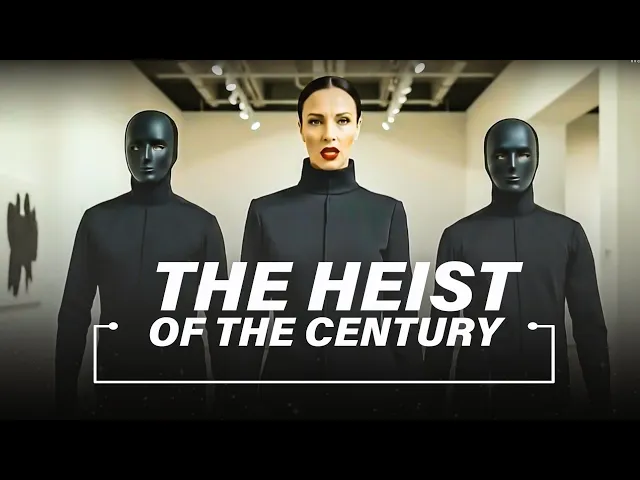
"THE HEIST"
Positioning the charger as cultural object
What if the charger became so iconic it was treated like art? Crowds gathering to admire it. Architects photographing it. A cinematic narrative built around a commission to steal it back.
The tone was serious. Elevated. Future-facing. The charger positioned not as infrastructure, but as a design artefact.
In traditional production this would have required:
Night shoots · Architectural locations · Crowd scenes · Professional actors · Complex lighting
Instead: delivered in days.
Campaign Two
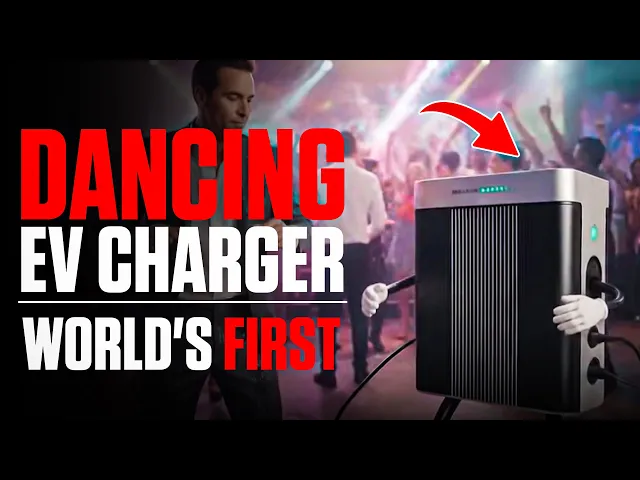
"THE COMPANION"
Humanising a wall charger without undermining the brand
Can people emotionally connect with an EV charger? The charger was given a voice. A personality. It charmed homeowners. Tourists came to see it.
The tone was playful but controlled. Humour sat around the product, never at its expense. The visual aesthetic stayed elevated. The brand positioning remained intact.
What it tested:
Whether character-led storytelling could increase engagement without diluting premium brand perception.
IT DID.
THE RESULTS
THE PRINCIPLE
AI is not a shortcut for low-quality content. When used within a controlled strategic framework — with brand alignment, tonal guardrails and human quality control at every stage — it becomes a production multiplier.
Simpson & Partners could not have produced this kind of cinematic storytelling at this speed or cost with traditional production. But without the strategic framework governing it, the same tools would have produced something generic that damaged rather than enhanced the brand.
AI reduced financial risk. Strategy reduced reputational risk. Together they made something neither could have achieved alone.
COMMON QUESTIONS
WHAT PEOPLE
ASK.
Can AI really create premium cinematic advertising?
Yes — when it operates within a structured framework with strategic oversight, defined creative boundaries and human quality control at every stage. Without that structure, quality drops and brand risk rises. With it, production accelerates safely and the aesthetic output is indistinguishable from traditionally produced work at a fraction of the cost and timeline.
How much cheaper is AI video production compared to traditional?
Traditional cinematic campaigns often require five-figure production budgets before a single frame is tested. The Simpson & Partners campaigns ran at £250 media spend per campaign. The production overhead was a fraction of what equivalent traditional production would have cost — with faster iteration and lower risk throughout.
Does AI-produced content damage premium brand perception?
Not when the aesthetic, tone and positioning are defined before production begins. AI does not define brand quality — strategic leadership does. The governance framework is what keeps AI-produced content commercially responsible and brand-appropriate. Without the framework, yes, the risk is real. With it, the quality holds.
Is this approach available for other premium brands?
Yes. The production system built for Simpson & Partners is the same system that underpins Mark's AI content work. It is designed to be adapted to any premium brand that wants to explore AI-native storytelling without compromising what makes their brand distinctive.
AI CONTENT
BUILT FOR YOUR
BRAND.
If your brand deserves better than generic AI output — and you want a structured system that protects your positioning while unlocking what AI makes possible — this is where to start.
MARK HORTON
Strategic AI Advisor · Organisational AI Capability